Our Supporting Staff

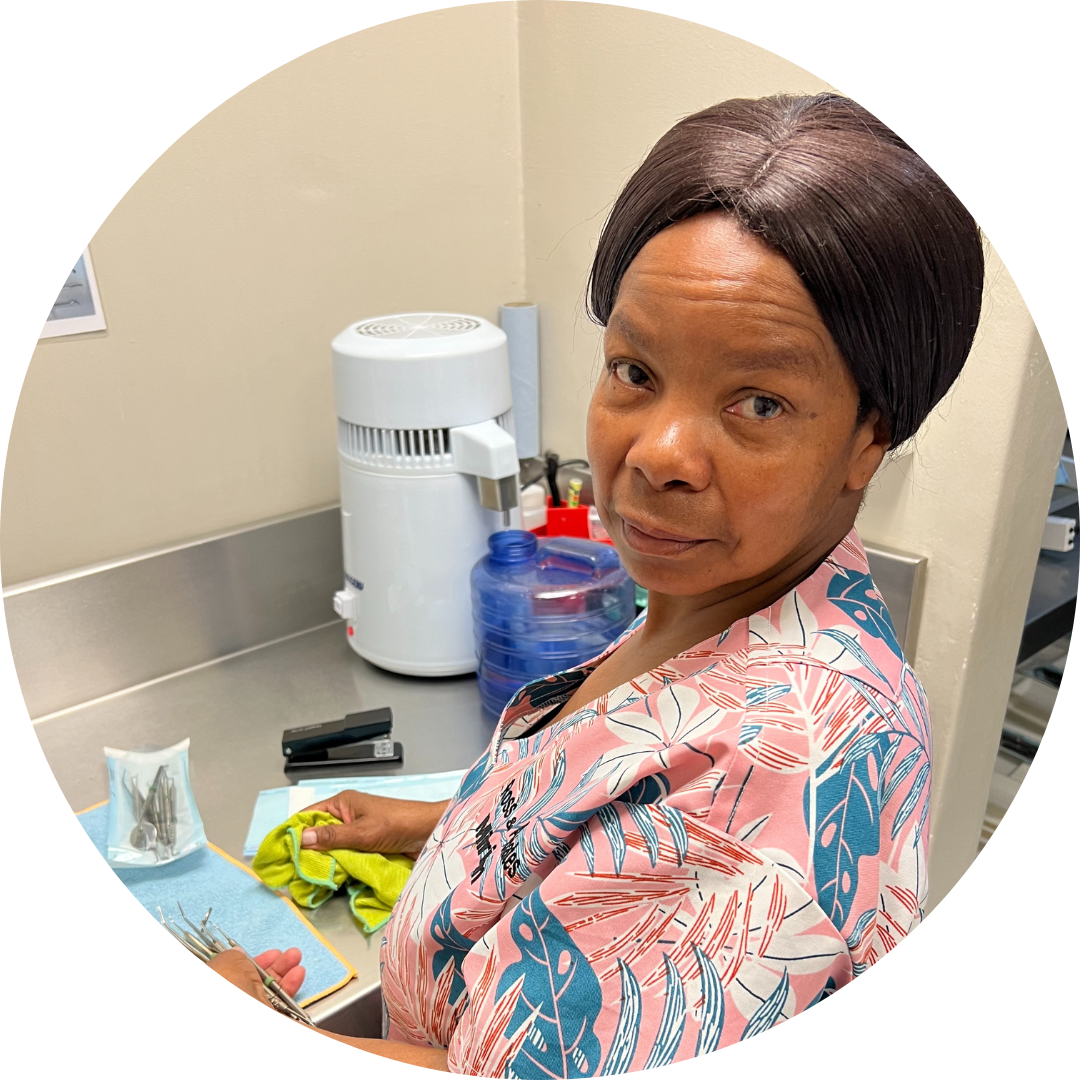
Meet our friendly and supportive staff, the backbone of our practice.

Frequently Asked Questions

General Dental Examination

You should visit the dentist for a regular check-up and cleaning every six months. However, some individuals with specific dental issues may need more frequent visits.

Brush your teeth at least twice a day with fluoride toothpaste, floss daily, and rinse with an antimicrobial mouthwash. Maintain a balanced diet and avoid sugary snacks.

Professional teeth whitening done by a dentist is generally safe and effective. Over-the-counter products can be less predictable and may lead to sensitivity or damage if not used correctly.

If you experience a dental emergency like a toothache, broken tooth, or knocked-out tooth, contact your dentist immediately. In the meantime, you can rinse your mouth with warm water and use a cold compress to reduce pain and swelling.

Amalgam fillings have been used for many years and are considered safe by dental associations. They are durable and effective for filling cavities. If you have concerns, discuss alternative filling materials with your dentist.

Dental anxiety is common. Talk to your dentist about your fears. They can offer various solutions, such as sedation dentistry, to make your visit more comfortable.

Choose a soft-bristle toothbrush and fluoride toothpaste recommended by your dentist. Electric toothbrushes are also effective. Your dentist can provide personalized recommendations.

Gums that bleed during brushing or flossing may indicate gum disease or improper technique. Consult your dentist to determine the cause and receive guidance on improving your oral care.

Dental X-rays help dentists detect issues that may not be visible during a regular examination, such as cavities between teeth, impacted wisdom teeth, or bone loss. They are essential for comprehensive dental care.

Dental Cavities

To prevent cavities, practice good oral hygiene, limit sugary foods and drinks, and consider dental sealants and fluoride treatments. Regular dental check-ups are essential for early cavity detection.

A dental cavity, also known as a tooth cavity or caries, is a small hole or damaged area in a tooth caused by the decay of tooth structure.

Dental cavities are primarily caused by the interaction of bacteria, sugar, and acids in the mouth. Bacteria feed on sugars, producing acids that erode tooth enamel.

To prevent cavities, it's important to practice good oral hygiene, including regular brushing, flossing, and dental check-ups. Limit sugary and acidic foods and drinks, and consider fluoride treatments.

Common symptoms include toothache, tooth sensitivity to hot or cold, visible holes or pits in the teeth, and localized discoloration.

Cavities are typically treated by removing the decayed portion and filling the space with materials like dental amalgam or composite resin. In advanced cases, a crown or root canal may be necessary.

Dental cavities are not contagious, but the bacteria that cause cavities can be transmitted through activities like sharing utensils or kissing.

Yes, children can get dental cavities. In fact, cavities are common in young children, which is why good oral hygiene and regular dental check-ups are important from an early age.

Risk factors include poor oral hygiene, frequent consumption of sugary or acidic foods and drinks, dry mouth, and a lack of fluoride exposure.

Cavities cannot heal on their own. Once tooth structure is damaged, it requires dental treatment to restore it.

Yes, it is possible to have cavities without noticeable symptoms. Regular dental check-ups are important to detect and address such "silent" cavities.

First Child Visit

Your child's first dental visit should occur by their first birthday or within six months of the eruption of their first tooth.

Early dental visits help identify and prevent potential dental issues, establish good oral hygiene habits, and build a positive relationship with the dentist.

The first visit is usually brief and involves an examination of your child's mouth, checking for early signs of tooth decay or other problems. The dentist will also provide guidance on oral care.

Yes, baby teeth are important. They help with speech development, proper chewing, and reserve space for permanent teeth. Good oral hygiene from an early age is crucial.

Dental X-rays are generally safe and use minimal radiation. Dentists will only recommend them when necessary, and they take precautions to minimize exposure.

Talk to your child about the dentist in a positive way, read books or watch videos about dental visits, and be supportive to ease any anxiety.

Dentists are trained to work with children, and they use techniques to help kids feel comfortable. Communicate your child's fears to the dentist so they can provide appropriate care.

Bring your child's dental and medical history, any insurance information, and a list of questions or concerns you may have.

After the initial visit, regular check-ups are typically recommended every six months. However, your dentist will tailor the schedule based on your child's specific needs.

Brush your child's teeth with fluoride toothpaste, limit sugary snacks and drinks, and encourage healthy oral hygiene practices like flossing and regular brushing.

Tooth Extractions

Tooth extraction is typically necessary when a tooth is severely damaged, decayed, infected, or impacted (unable to emerge properly). It may also be needed for orthodontic reasons or to create space for dentures.

During the procedure, you shouldn't feel pain as your dentist will use local anesthesia to numb the area. However, you may experience some discomfort or mild pain after the procedure, which can be managed with pain medications.

Recovery time varies, but it generally takes a few days to a week. Complete healing can take a few weeks. Follow your dentist's post-extraction care instructions for a smoother recovery.

You should avoid eating and drinking for a few hours immediately after the extraction. After that, stick to soft, cold foods and liquids for the first day or two. Avoid hot, spicy, and hard foods.

Potential complications include infection, dry socket, bleeding, or damage to nearby teeth or tissues. Following your dentist's post-extraction care guidelines can help minimize these risks.

Smoking and using straws can create suction in your mouth, which may dislodge the blood clot in the extraction site, leading to dry socket. It's best to avoid these activities during the initial healing period.

It's advisable to replace missing teeth, as it can affect your dental health and overall oral function. Options for tooth replacement include dental implants, bridges, and dentures.

The cost of a tooth extraction can vary depending on the complexity of the procedure and your location. Dental insurance may cover part of the cost, so it's recommended to check with your insurance provider.

In most cases, you can drive yourself home after a simple tooth extraction that only requires local anesthesia. However, if you receive sedation or have multiple teeth extracted, it's best to arrange for someone to drive you.

You should avoid brushing the extraction site for the first 24 hours. After that, you can resume gentle brushing and continue with your regular oral hygiene routine, being cautious around the healing area.

Root Canal

A root canal is a dental treatment to remove infected or damaged pulp inside a tooth, which is the soft tissue containing nerves and blood vessels.

You might need a root canal if you have a severely decayed, infected, or damaged tooth. It's done to save the tooth from extraction.

No, modern root canals are performed under local anesthesia, so you shouldn't feel pain during the procedure. You may experience some discomfort afterward, which can be managed with over-the-counter pain medications.

A typical root canal can be completed in one or two appointments, each lasting about 90 minutes. The complexity of the case can affect the time required.

The dentist or endodontist removes the infected pulp, cleans the inside of the tooth, and seals it with a filling or crown to protect it.

Yes, a crown is usually recommended to strengthen and protect the tooth after a root canal. It helps prevent further damage.

Root canals are generally safe, but there can be risks, such as reinfection. Proper post-treatment care and follow-up with your dentist are crucial to minimize these risks.

With proper care, a tooth that has had a root canal can last a lifetime. Regular dental check-ups and good oral hygiene are essential.

In most cases, it's safe to drive yourself home after a root canal since the anesthesia wears off relatively quickly. However, it's a good idea to have someone accompany you if you're unsure.

Alternatives to root canals include tooth extraction or leaving the infected tooth untreated. However, these options may have their own consequences and should be discussed with your dentist.

Dental Sedations

Conscious sedation is a technique used in dentistry to help patients relax and manage anxiety during dental procedures while remaining conscious. It is also referred to as "sedation dentistry."

When administered by trained and qualified dental professionals, conscious sedation is generally considered safe. The patient's vital signs are closely monitored throughout the procedure to ensure safety.

There are various types of conscious sedation, including oral sedatives, intravenous (IV) sedation, and inhalation sedation (nitrous oxide, or "laughing gas").

No, conscious sedation allows you to remain awake and responsive, but you will feel very relaxed and drowsy. You may have limited recollection of the procedure.

The duration of sedation varies depending on the type used. For example, nitrous oxide effects wear off quickly after the mask is removed, while oral sedatives may have a longer-lasting effect.

Conscious sedation is often recommended for patients with dental phobias, severe anxiety, or those undergoing lengthy or complex procedures. Your dentist will evaluate your suitability.

While it is generally safe, there can be side effects, including dizziness, nausea, and temporary memory loss. Serious complications are rare but can occur.

Your dentist will provide specific instructions, but generally, you may need to avoid eating or drinking for a period before the procedure and arrange for a responsible adult to accompany you home.

No, it is not safe to drive after conscious sedation. You should have a designated driver to take you home and stay with you for a few hours.

Coverage varies depending on your insurance plan. Some plans may partially cover sedation for specific procedures, while others may not provide coverage.